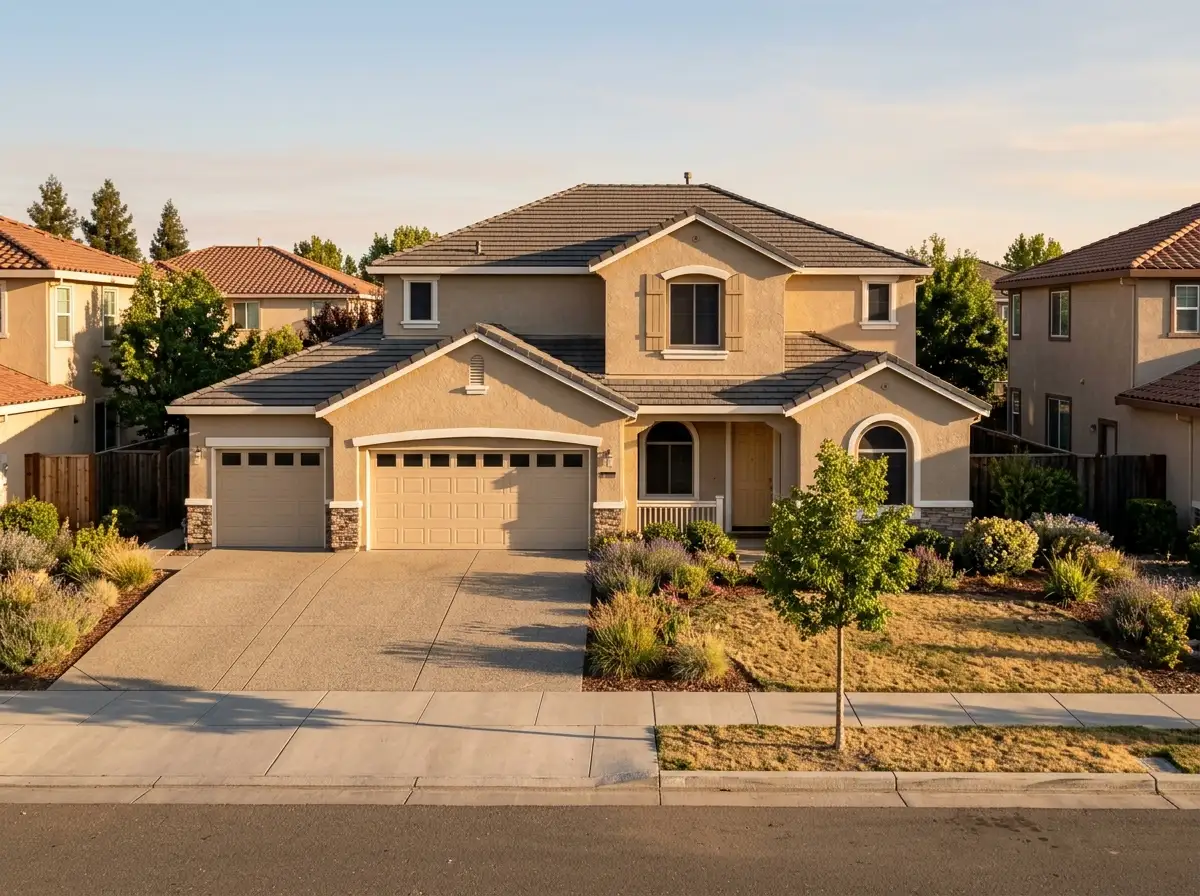
How old is the house? For garage door repair in Roseville that one answer narrows things down before anyone has seen the door. The city was built in waves, and each wave has its own part that is wearing out now.
Three ZIP codes, three generations of door
The year the house was built tells you which part is closest to the end. Census figures put the typical build year eighteen years apart from one side of town to the other.
| ZIP | Typical build year | What is usually wearing out |
|---|---|---|
| 95747, West Roseville | 2006 | The first opener, the second set of springs, the original rollers |
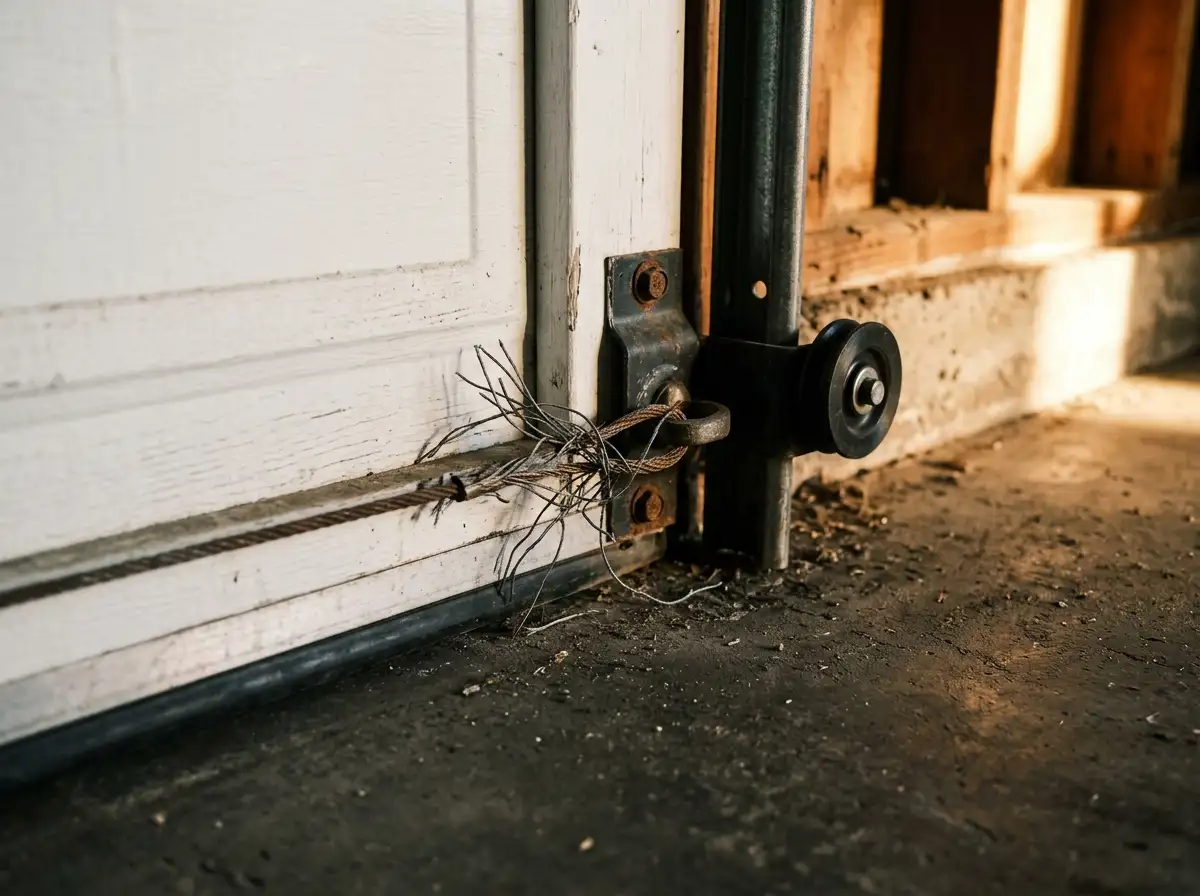
| 95678, central | 1990 | Bearings, cables and hinges on a door that has been repaired before |
| 95661, east | 1988 | The door itself: cracked sections, loose track, an opener from before safety sensors |
These are tendencies, not a diagnosis. A house can be newer or older than its street, so the technician still checks the whole door.
West Roseville: parts fitted in the same week are ageing together
A door from the mid-2000s has its spring, opener and rollers all nearing the end of a first or second life at once. That is why one repair there is so often followed by another within the year.
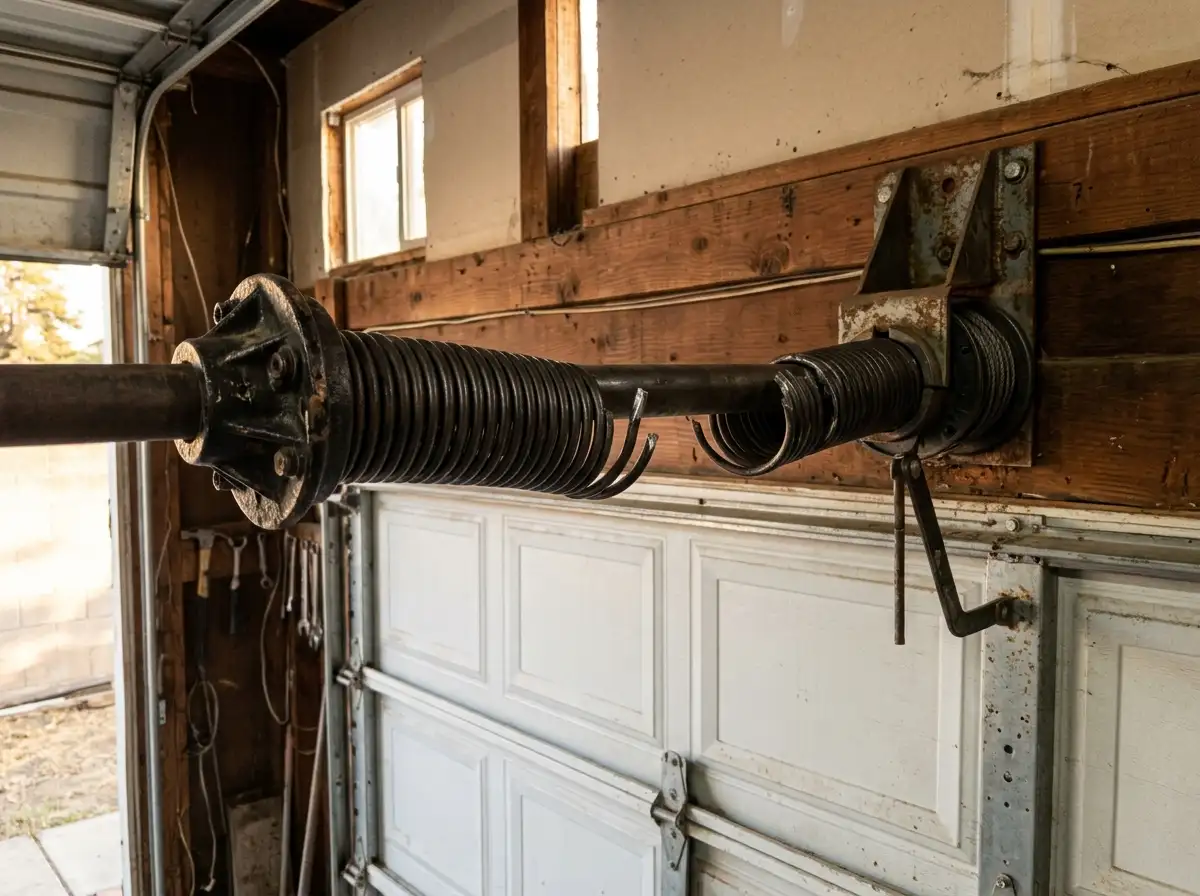
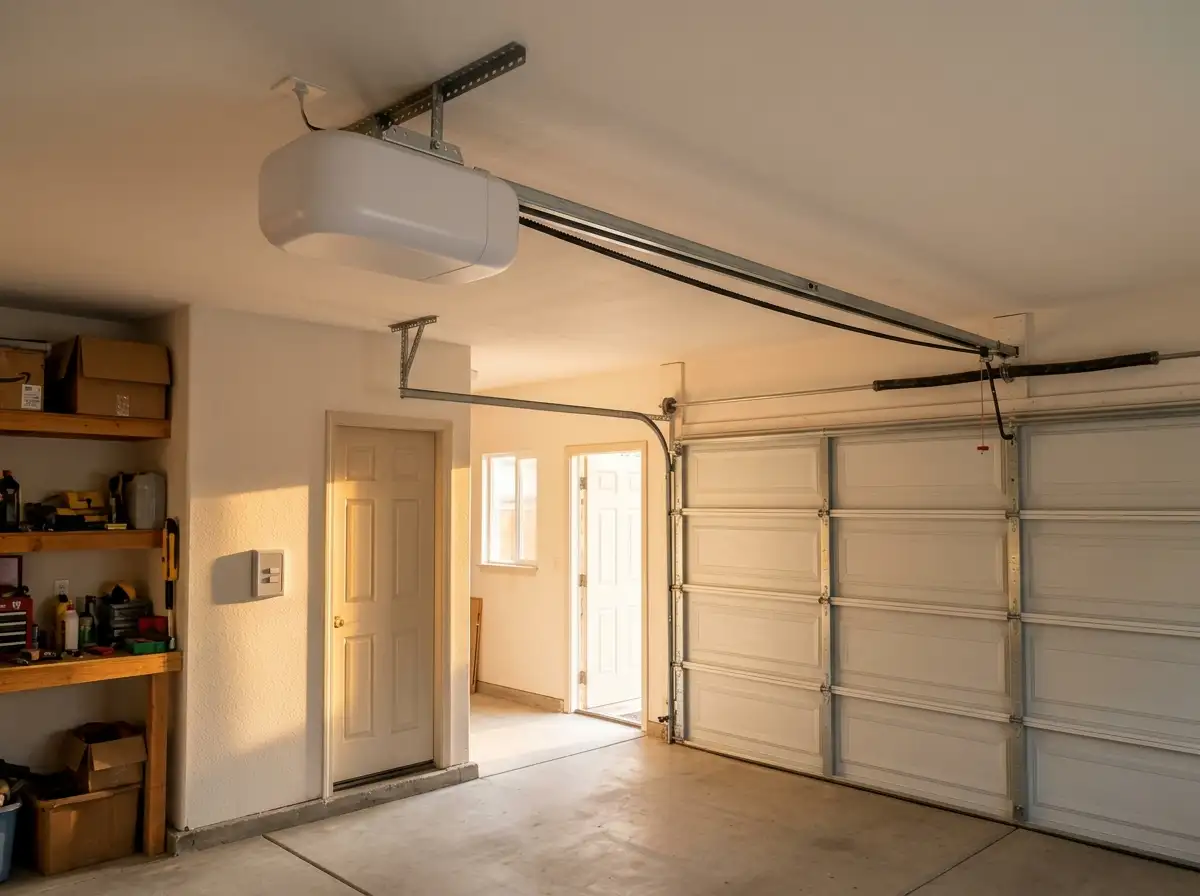
The spring is the coil on the steel bar above the door, and it carries the weight. A builder-grade one is rated for about 10,000 open-and-close cycles, so a household that comes and goes through the garage has usually worn out one set already. As the next set tires, the door slowly gets heavier and the opener makes up the difference.
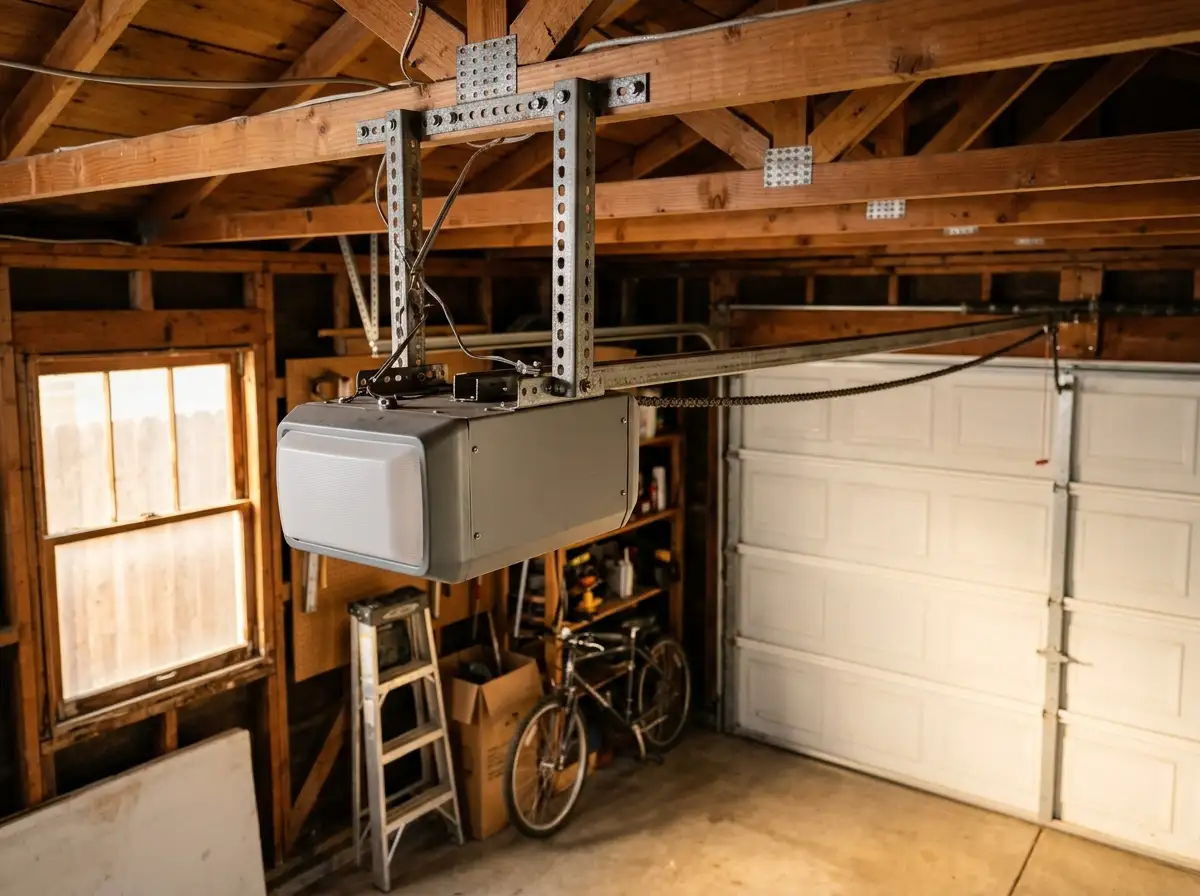
The opener was never built for that. Its drive gear is nylon and strips when it is asked to lift instead of guide, which is how a tired spring turns into an opener repair.
After a broken spring is replaced, ask to see the balance test: opener disconnected, door raised to waist height, hands off. The door should stay put.
Central and east Roseville: doors on their third round of repairs
On a door from around 1990 the question shifts from which part failed to how many are still worth keeping. These are the signs a technician looks for:
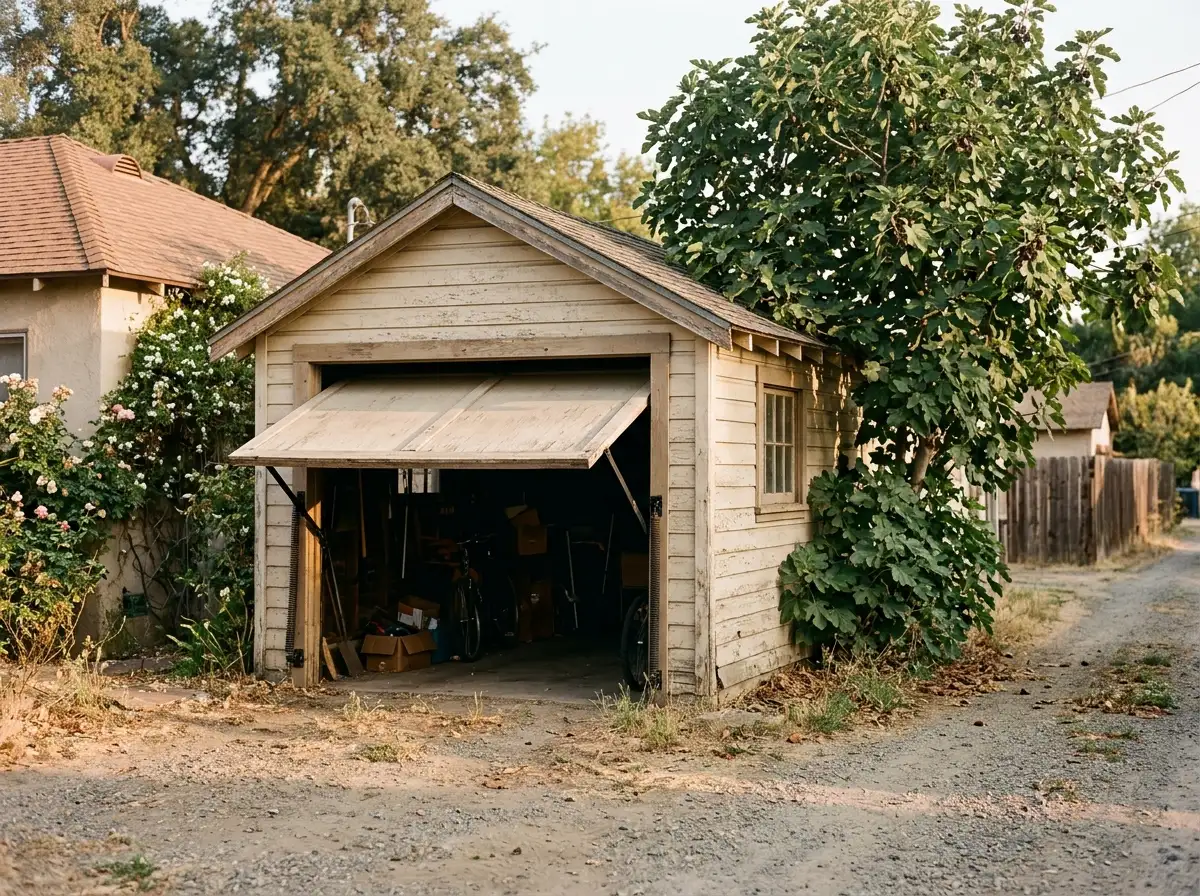
- Springs along the side tracks. Older single doors often use extension springs, which stretch where a torsion spring twists. Each needs a safety cable threaded through it, so a spring that breaks cannot fly across the garage.
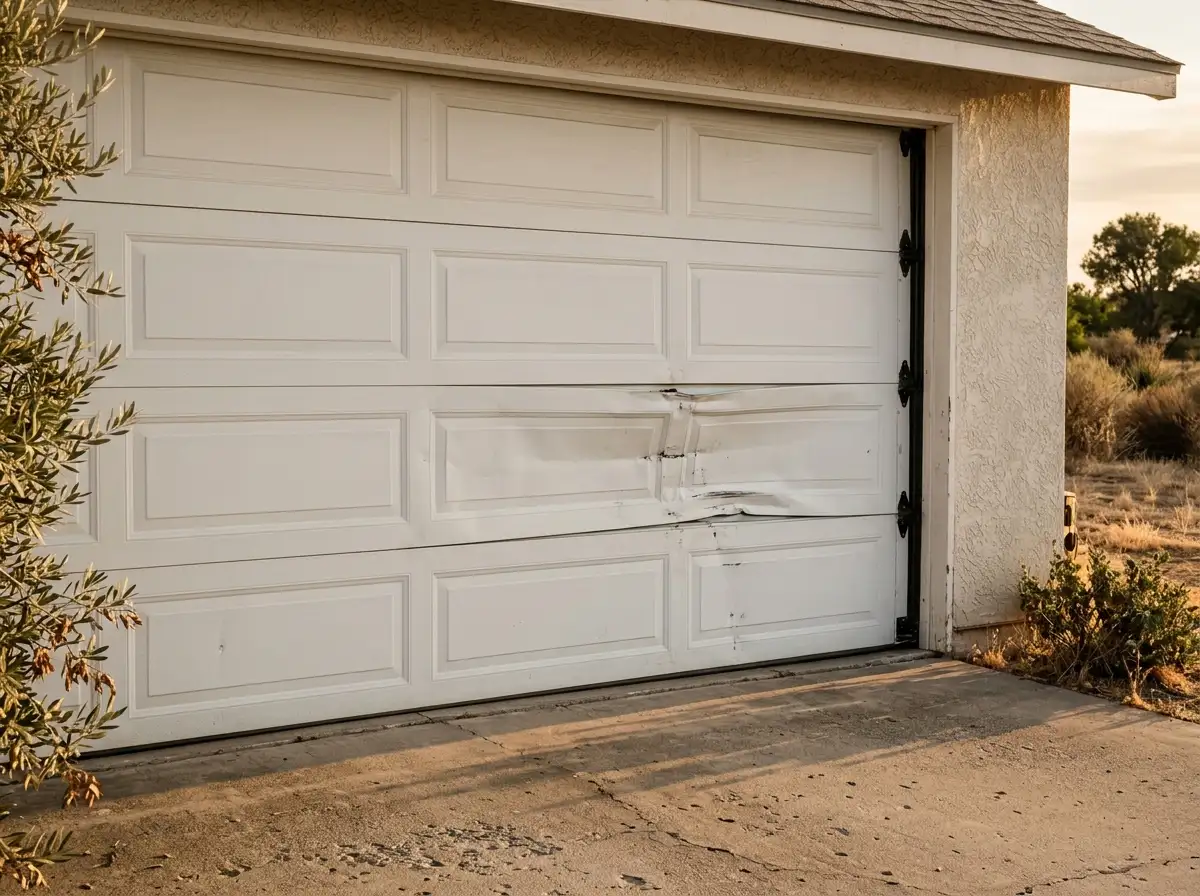
- A crack in the top section. Thin steel flexes on every cycle where the opener arm bolts on. The cure is a strut, a steel brace across the section, and a patch alone will crack again.
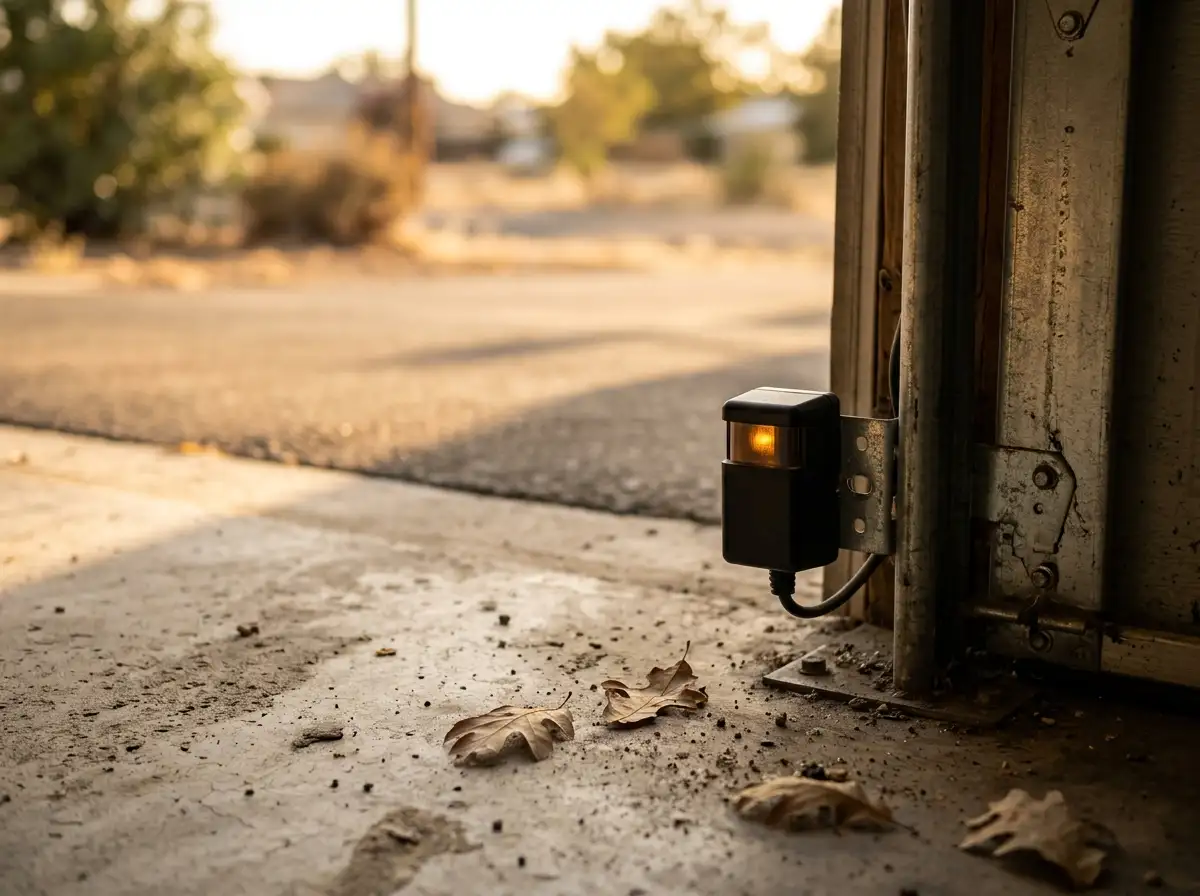
- An opener with nothing near the floor. A unit made before 1993 may have no photo-eyes, the pair of small sensors that reverse the door. That alone is reason to retire it.
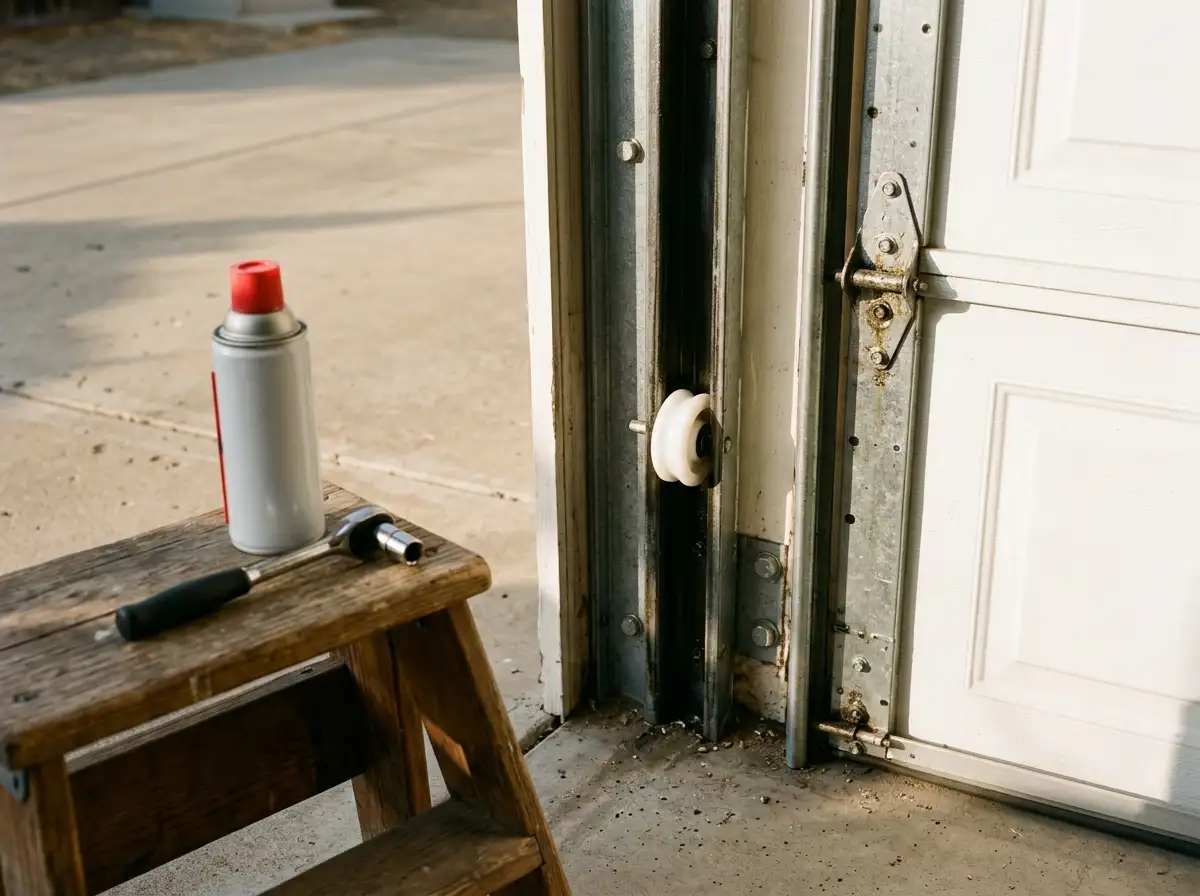
- A squeal at the top of the travel. The bearings that the bar turns in are dry or finished.
When two or more sections are damaged, or the model’s parts are no longer made, a new garage door is usually the more sensible spend. One failed part on a sound door is still a repair.
The city sells you the power, and the battery rule still applies
Battery backup is state law. Roseville homes are on Roseville Electric, the city-owned utility, and not on PG&E or SMUD. That changes nothing for the opener. Any opener sold or installed in California since July 1, 2019 must have a backup battery, and a new door may not be connected to an old opener that lacks one.
Most openers in homes from the 2000s went in before that date, so they stop when the power does. With sound springs you can still pull the red release cord, with the door fully closed, and raise it by hand. Our guide to opening a garage door manually explains when that is safe and when it is not.
What a 94-degree afternoon does inside the garage
Heat ages the electronics and the rubber long before it troubles the steel. July afternoons here average around 94 degrees, and a closed garage runs hotter than the street.
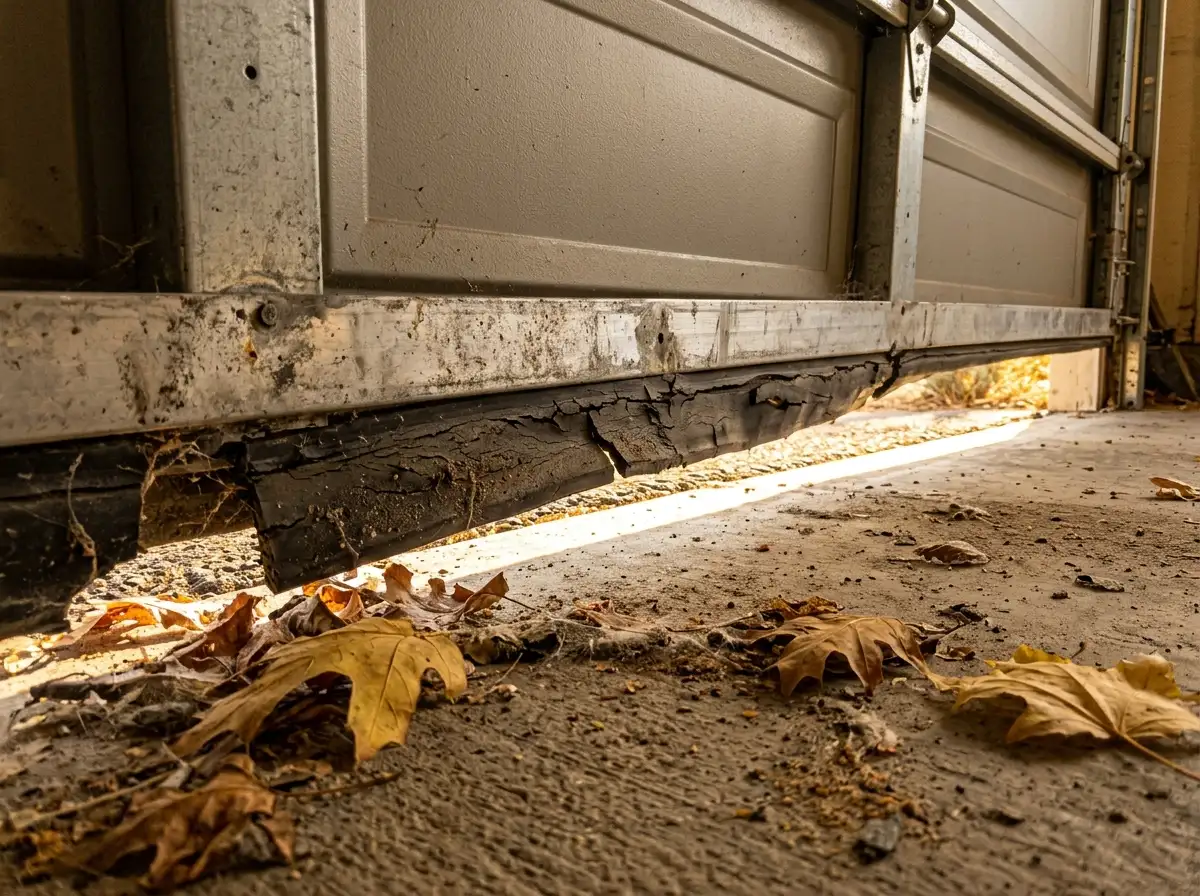
An older opener may cut out late in the day and work again after dark, which is the motor protecting itself. The rubber seal along the bottom of the door hardens and cracks, and the first winter rain finds the gap. A tune-up before summer catches both, along with dry rollers and hinges.
Before a new door: the permit desk and your association
Ask two offices before ordering, because neither answer is published plainly. The city’s building permit handout does not name garage doors either way. It does list new wiring and receptacles as work that needs a permit, which matters if a new opener needs an outlet at the ceiling, and widening the opening changes the answer again.
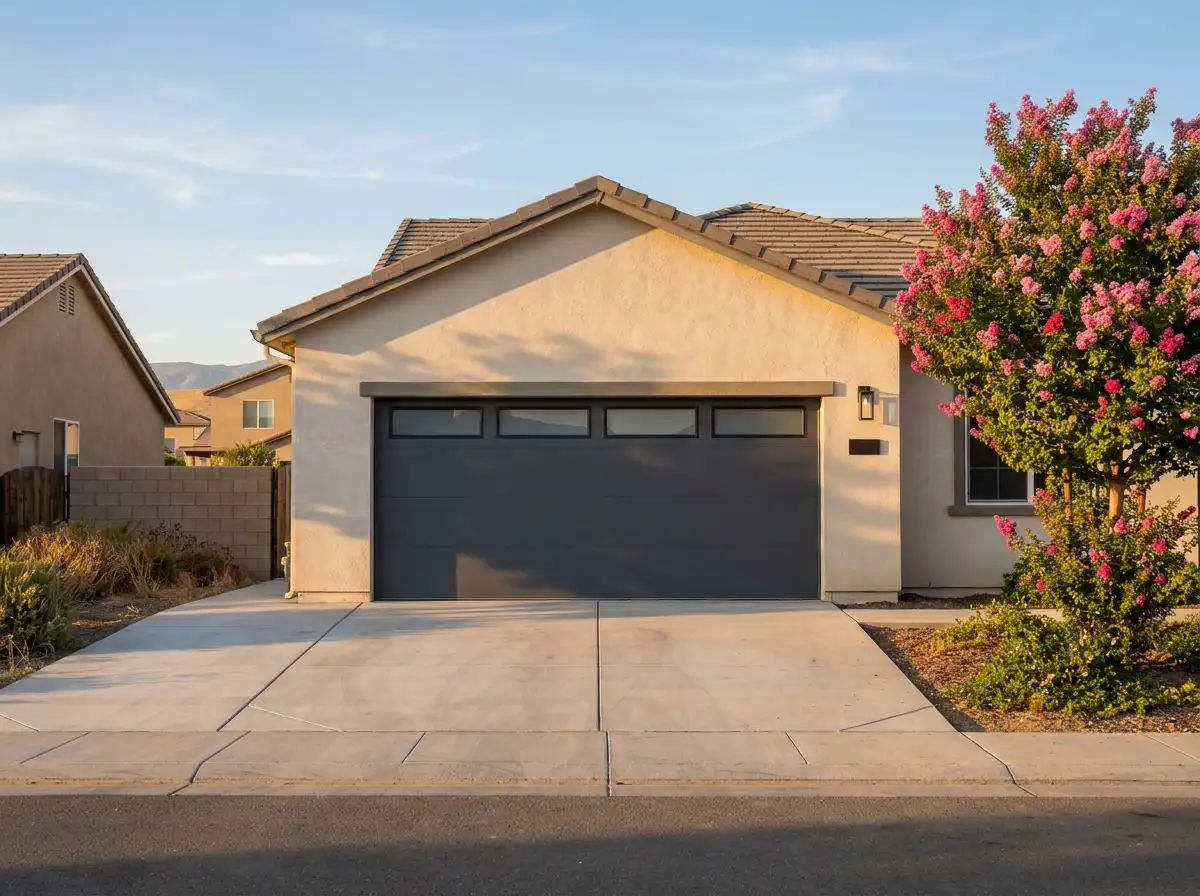
The Building Department can tell you for your address. Many neighbourhoods also have an association with a say over door colour and style, so check with yours first. Doors are made to order.
Getting a technician to your address
You describe what the door did, and a licensed local technician comes out, inspects it and gives you a price before starting. Same-day visits are available in most cases, the line is answered day and night, and the estimate is free.
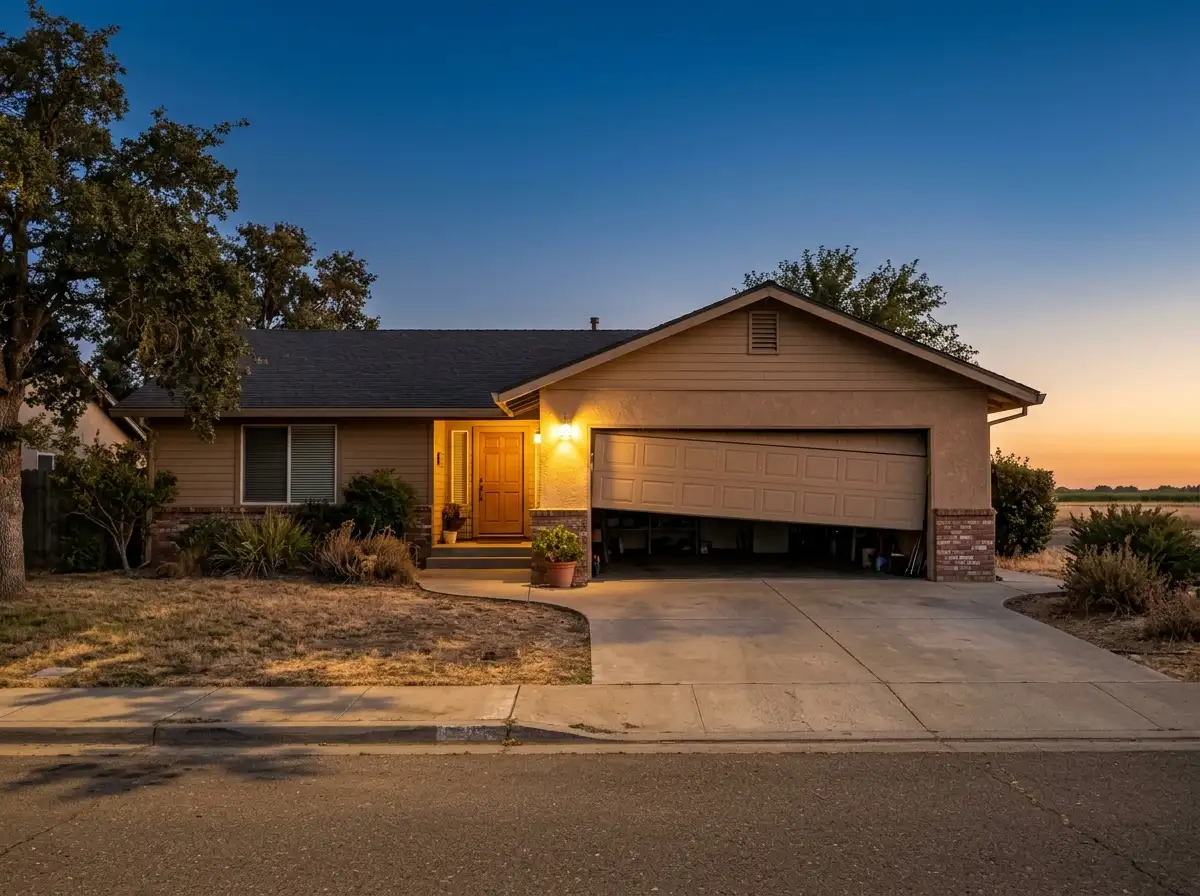
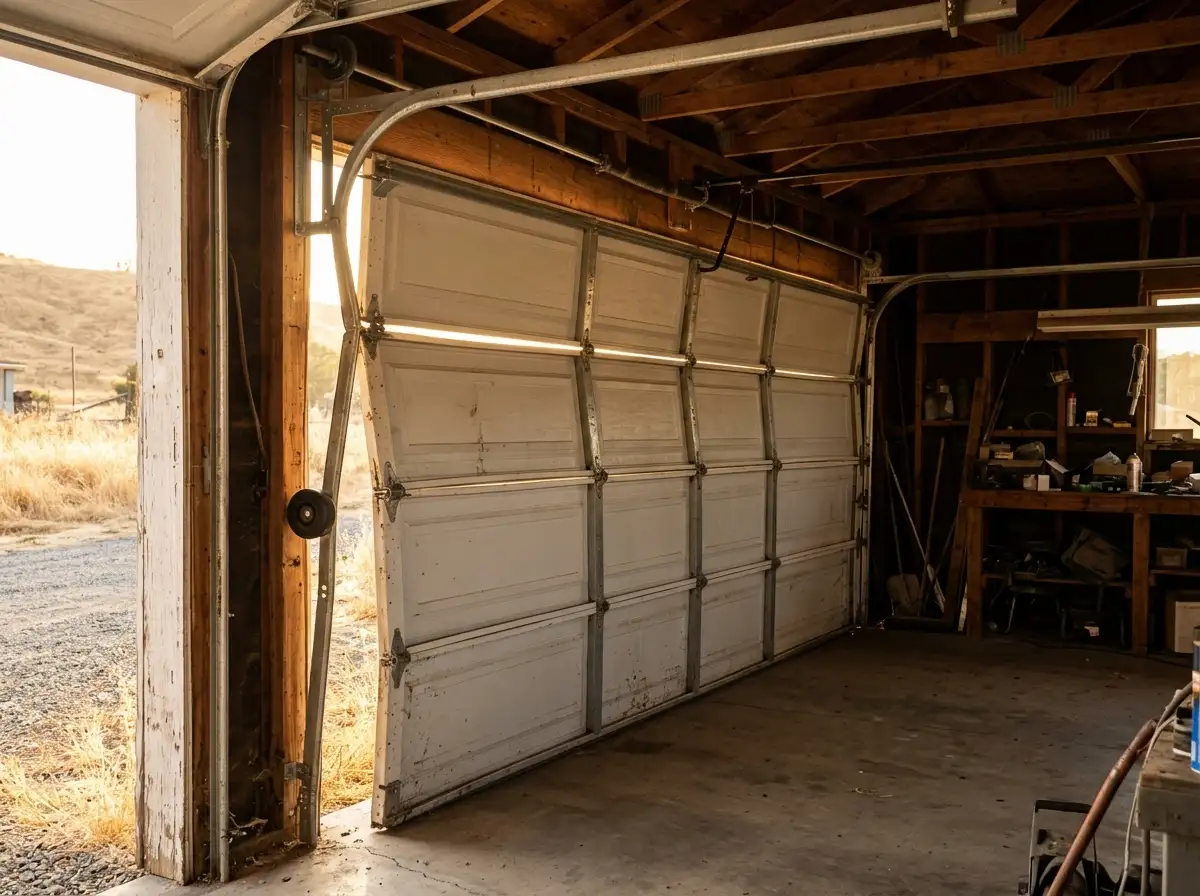
Visits cover 95678, 95661 and 95747, and continue into Rocklin and Lincoln. If the door is hanging crooked, stuck open, or will not lift after a bang, leave it where it is and call.